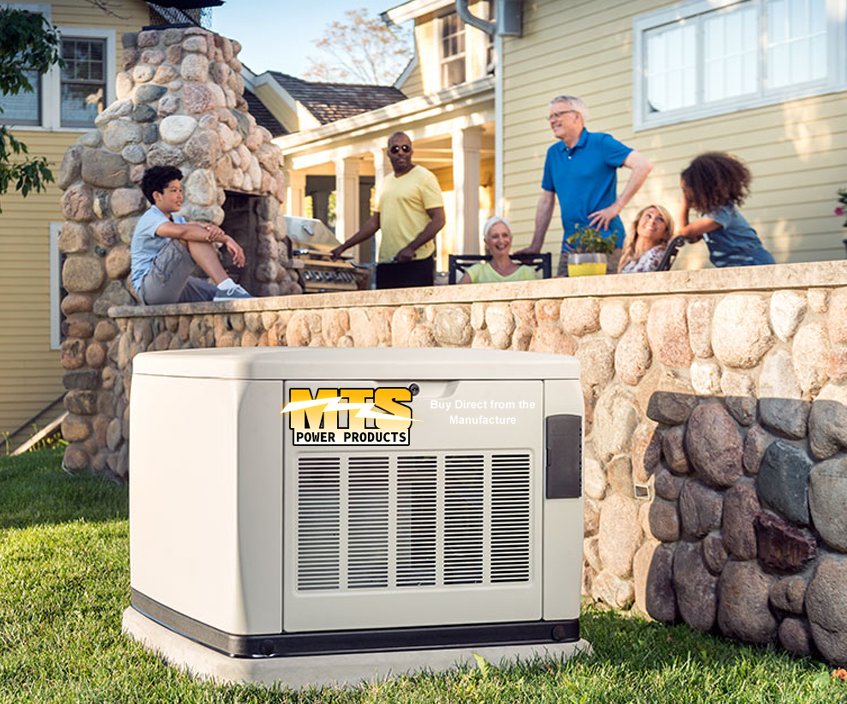
The lights go out. Your refrigerator hums to a halt. The air conditioner quits. In that moment of sudden silence and darkness, many homeowners find themselves wishing they'd planned for reliable backup power. For those with access to a natural gas line, the solution often lies in selecting the right natural gas generator for your home – a robust, always-ready system that can keep your household running smoothly, no matter what Mother Nature (or the grid) throws your way.
Natural gas generators offer a unique blend of convenience, efficiency, and continuous fuel supply, making them a top choice for whole-home backup. But finding the perfect fit isn't a "one-size-fits-all" scenario. It requires understanding your specific power needs, budget, and property characteristics. This guide will walk you through everything you need to know to make an informed, confident decision.
At a Glance: Your Generator Selection Checklist
- Assess Your Power Needs: List every appliance you want to run, calculate total running watts, and factor in starting watts.
- Size It Right: Don't under- or oversize. Use an 8kW to 30kW+ guide based on your home size and critical loads.
- Understand Fuel Advantages: Natural gas offers continuous, on-demand power directly from your utility line.
- Consider Installation: Plan for location, clearances, and professional setup, especially for larger units.
- Set Your Budget: Generator costs vary widely with capacity and features; factor in installation.
- Prioritize Safety: Proper ventilation and CO detection are non-negotiable.
- Look Beyond the Basics: Explore features like automatic transfer switches, remote monitoring, and quiet operation.
Why Natural Gas? Uninterrupted Power, Unmatched Convenience
Before diving into the specifics of selection, let's establish why natural gas generators are often the preferred choice for residential backup. Unlike propane or diesel generators that rely on finite, stored fuel tanks needing monitoring and refilling, natural gas units connect directly to your home's existing utility line.
This means an almost limitless fuel supply during an outage. No last-minute runs to the gas station, no worrying if your tank is full, and no degradation of stored fuel over time. They're also generally cleaner-burning, which translates to fewer emissions and often less maintenance. While natural gas lines can be affected by severe ground disruptions during a storm, their reliability typically far surpasses that of other fuel delivery methods in most outage scenarios. They’re a true "set it and forget it" solution once installed. You can learn more about dedicated residential natural gas generators and their unique advantages.
Step 1: Pinpointing Your Power Demands – The Crucial Sizing Guide
The single most critical step in selecting a natural gas generator is accurately determining your power requirements. Underestimate, and you'll find your generator struggling or tripping circuits; overestimate, and you'll pay more upfront and likely endure less efficient operation and higher fuel costs for power you rarely use.
Generators produce two types of wattage:
- Running Watts: The continuous power an appliance needs to operate normally.
- Starting Watts (Surge Watts): The brief burst of extra power required by motor-driven appliances (like refrigerators, air conditioners, well pumps) when they first start up. This surge can be 2-3 times their running wattage.
Here's how to calculate your needs systematically:
1. List Your Must-Haves (And Nice-to-Haves)
Walk through your home and make a comprehensive list of every appliance, light, and system you absolutely need to run during an outage. Then, add a second list of "nice-to-haves" – items you'd appreciate having power for, but aren't strictly essential.
Essential Examples:
- Refrigerator/Freezer
- Lights (key rooms)
- Furnace fan (if gas heat)
- Water heater (if electric, note demand)
- Well pump (if applicable)
- Medical equipment
- Modem/Router
- Charging devices
Nice-to-Have Examples: - Central Air Conditioning
- Electric Range
- Dishwasher
- Microwave
- Television/Entertainment systems
- Garage door opener
2. Calculate Total Running Wattage
For each item on your list, find its running wattage. This information is usually on a label or plate attached to the appliance, in its owner's manual, or often easily found online. Sum the running wattage of all the appliances you've listed.
3. Factor in Starting Wattage (The Big Spikes)
Identify the appliances on your list with motors or compressors (refrigerators, freezers, central AC units, well pumps, washing machines, etc.). Pick the single highest starting wattage among these devices and add it to your total running wattage. You typically don't need to add up all starting wattages because these high-draw items rarely start simultaneously. The generator just needs to handle the largest single surge.
Example Scenario:
Let's say your total running wattage is 5,000W. Your refrigerator has a running wattage of 800W and a starting wattage of 2,400W. Your central AC unit has a running wattage of 3,500W and a starting wattage of 9,000W.
- If you plan to run AC, your highest starting wattage is 9,000W.
- Your estimated generator size would be 5,000W (running) + 9,000W (highest single starting) = 14,000W.
4. Utilize Sizing Tools & Expert Help
Many generator manufacturers offer online sizing calculators. These tools are often excellent resources for estimating needs. For the most accurate assessment, especially for complex electrical systems or larger homes, consulting with a qualified electrician or generator technician is invaluable. They can perform an energy audit and help you calculate exact requirements.
5. Account for Future Needs (The 20% Buffer Rule)
It's always wise to size your generator slightly above your calculated needs – consider adding a 10-20% buffer. This extra capacity accommodates unforeseen surges, potential future appliance upgrades, or simply running a few more items than you initially planned for. This buffer also ensures the generator isn't constantly running at its absolute maximum capacity, which can extend its lifespan and improve efficiency.
Step 2: Matching Capacity to Your Lifestyle – Typical Generator Ranges
Once you have a solid estimate of your wattage needs, you can begin to match it with typical natural gas generator capacities. Remember, these are general guidelines, and your specific calculations should drive the final decision.
- < 8kW Units: The Essentials Guardian
- Use Case: Small homes, apartments (where allowed), or minimal backup needs.
- What it powers: Core essentials like lighting in a few rooms, refrigerator, modem/router, phone chargers, and perhaps a TV or computer. These are designed to keep critical circuits alive, not run your whole house.
- Installation: Often more compact and might offer slightly more flexible placement.
- 8kW - 20kW Units: The Mid-Sized Workhorse
- Use Case: A popular choice for mid-sized homes (1,500-3,000 sq ft).
- What it powers: Multiple essential appliances, some climate control (e.g., furnace fan, maybe a smaller central AC or window unit), kitchen appliances, and entertainment systems. You can usually manage multiple zones of power efficiently with these units.
- 20kW - 30kW Units: Whole-Home Comfort
- Use Case: Larger homes (3,000+ sq ft) or those with significant power demands.
- What it powers: Capable of handling most or all demanding appliances simultaneously, including larger central HVAC systems, electric water heaters, multiple refrigerators, and a suite of electronics. This range often supports a near-normal lifestyle during an outage.
- 30kW+ Units: Ultimate Power for Large Properties
- Use Case: Very large homes, properties with extensive electrical systems (e.g., home offices, workshops, pools), or light commercial applications.
- What it powers: Designed to run virtually everything in a large residence without compromise.
- Installation: These units are substantial. They require professional installation, often specific site preparation, and ample space with appropriate clearances.
Key Consideration: Don't significantly oversize your generator beyond a reasonable buffer. An oversized generator can lead to "wet stacking" – a build-up of unburnt fuel in the exhaust system due to consistently running at low loads, which increases maintenance and reduces fuel efficiency. It also costs more initially.
Step 3: Beyond Watts – Key Features and Considerations
Selecting the right size is paramount, but there are other crucial factors that contribute to a generator's suitability, longevity, and your overall satisfaction.
Automatic Transfer Switch (ATS) – Seamless Power Transition
A natural gas generator with an ATS is highly recommended for residential backup. When the utility power goes out, the ATS automatically senses the outage, signals the generator to start, and transfers your home's electrical load from the utility to the generator. When grid power returns, it seamlessly switches back and shuts down the generator. This means you don't have to lift a finger during an outage – the generator handles everything, ensuring your critical systems stay online without interruption.
Noise Levels – Keeping the Peace
Generators can be noisy. Manufacturers often list noise levels in decibels (dB) at a certain distance (e.g., 60 dB at 23 feet). Consider this carefully, especially if your home is close to neighbors or if you plan to place the generator near bedrooms or outdoor living areas. Quieter models, though sometimes more expensive, can significantly improve the experience during an extended outage.
Remote Monitoring – Stay Connected
Many modern natural gas generators offer remote monitoring capabilities via smartphone apps or web interfaces. This allows you to check the generator's status, fuel levels, maintenance alerts, and even initiate test runs from anywhere with an internet connection. This is an invaluable feature for peace of mind, especially if you travel frequently.
Cold Weather Kits – Ready for Anything
If you live in a region with harsh winters, a cold weather kit is essential. These kits typically include a battery warmer and a crankcase heater to ensure the generator starts reliably even in freezing temperatures.
Durability and Enclosure – Built to Last
Look for generators with robust, weather-resistant enclosures. Aluminum enclosures offer excellent corrosion resistance, while steel can be a strong, durable option if properly coated. The enclosure protects the internal components from the elements and often helps dampen noise.
Warranty and Service Network – Support When You Need It
A strong warranty reflects a manufacturer's confidence in their product. Beyond the warranty, investigate the availability of certified service technicians in your area. Knowing you have access to reliable support and parts for essential generator maintenance is crucial for long-term ownership.
Step 4: Installation – Location, Clearance, and Professional Expertise
Natural gas generator installation is not a DIY project. It involves complex electrical, gas, and structural considerations that require certified professionals.
- Professional Expertise is Non-Negotiable: A licensed electrician and a qualified plumber (or a generator technician certified in both) must handle the installation. This ensures compliance with local building codes, electrical codes (like NFPA 70), and gas line regulations, as well as safe and reliable operation. Trying to cut corners here is a serious safety risk.
- Location, Location, Location:
- Distance from Home: Generators produce carbon monoxide (CO) exhaust. Local codes dictate minimum distances from doors, windows, and vents to prevent exhaust from entering your home. Typical requirements are 5-7 feet, but check your local ordinances.
- Clearance from Obstructions: The generator needs clear space around it for ventilation, cooling, and maintenance access. Avoid placing it under decks, near fences, or in enclosed areas.
- Level Ground: The generator must be installed on a stable, level, non-combustible pad (e.g., concrete).
- Proximity to Gas Line and Electrical Panel: Being closer to these connections can reduce installation costs.
- Gas Line Sizing: Your existing natural gas line may need an upgrade to handle the increased flow required by a whole-home generator. A qualified plumber will assess this and make any necessary modifications.
- Permits and Inspections: You will almost certainly need permits for electrical, gas, and potentially building work. The installation company should handle the permit process and ensure all work passes required inspections.
- Automatic Transfer Switch (ATS) Placement: The ATS is typically installed next to your existing electrical service panel. This critical component ensures safe and seamless power transfer. For a truly professional setup, consider discussing professional generator installation with several local experts.
Step 5: Budgeting for Your Generator – Beyond the Purchase Price
The cost of a natural gas generator system involves more than just the generator unit itself. A comprehensive budget should include:
- Generator Unit: This is the primary cost, varying significantly with capacity, brand, and features. Smaller 8kW units might start around $4,000-$6,000, while 30kW+ whole-home units can range from $10,000-$20,000 or more.
- Automatic Transfer Switch (ATS): Essential for whole-home systems, an ATS can add $1,000-$3,000 depending on its amperage and features.
- Installation Costs: This is often a substantial portion of the total, covering:
- Electrical work (wiring, connecting to main panel).
- Gas line work (extending/upgrading the natural gas line).
- Site preparation (concrete pad, ground leveling).
- Permits and inspections.
- Labor.
- Installation costs can easily range from $3,000 to $10,000+, depending on the complexity of your home's setup and local labor rates.
- Maintenance: Factor in annual maintenance costs (typically $200-$500) to keep your generator in top condition.
- Accessories: Cold weather kits, remote monitoring modules, and extended warranties can add to the initial cost.
While the upfront investment can be significant, the peace of mind and convenience of having reliable, automatic backup power often makes it a worthwhile investment for many homeowners.
Safety First: Protecting Your Home and Family
Operating any generator carries inherent risks, but with proper installation and adherence to safety guidelines, those risks are greatly mitigated.
- Carbon Monoxide (CO) Poisoning: This is the most serious danger. Generator exhaust contains high levels of CO, an odorless, colorless, and deadly gas.
- NEVER operate a generator indoors or in an attached garage.
- Ensure adequate clearance from windows, doors, and vents. Always follow manufacturer guidelines and local codes for placement.
- Install CO detectors on every level of your home, especially near sleeping areas, and test them regularly. Modern generators are often equipped with carbon monoxide shutoff switches, an excellent safety feature.
- Electrical Hazards: Improper installation can lead to electrocution or fire. This is why professional, licensed installation is non-negotiable.
- Fuel Leaks: Though rare with properly installed natural gas lines, any gas smell should be immediately addressed by a professional.
- Maintenance: Follow the manufacturer's essential generator maintenance schedule. A well-maintained generator is a safer generator.
Exploring Alternatives: When Natural Gas Isn't Your Only Option
While natural gas generators are fantastic for continuous whole-home power, it's worth briefly considering other fuel types if natural gas isn't available or if your needs are different.
- Propane Generators:
- Pros: Cleaner-burning than gasoline/diesel, flexible (can use portable tanks or larger stationary ones), longer shelf life than gasoline.
- Cons: Requires monitoring and refilling tanks, which can be an issue during extended outages. Cost fluctuations can occur.
- Diesel Generators:
- Pros: Very fuel-efficient, stable power, robust.
- Cons: Fuel can degrade, requires careful storage, generally higher maintenance, heavier, and typically more expensive upfront. Diesel fuel also needs to be refilled frequently (every 12-16 hours) for portable/smaller units.
- Electric Home Battery Backup Systems:
- Pros: Environmentally friendly (especially when paired with solar), silent operation, no fuel needed. Can save money on utility bills by storing energy during off-peak hours.
- Cons: Very high upfront cost, often cannot power high-demand appliances for extended periods without significant investment. Their capacity is limited by the battery bank size.
- Portable Generators (Gasoline/Propane):
- Pros: Much lower upfront cost, highly portable, can power essential devices.
- Cons: Manual startup, constant refueling, cannot power central AC/heat, much louder, and less safe if not properly vented. Not suitable for whole-home backup.
For most homeowners with natural gas access seeking reliable, automatic whole-home backup, the convenience and efficiency of a natural gas generator remain hard to beat.
Maximizing Your Investment: Advanced Power Management and Features
Once you've settled on a generator size and understand the core features, consider how to optimize your system for even greater efficiency and control.
Load Management & Smart Circuits
Some advanced generator systems offer "load management" features. These intelligent systems can prioritize power to critical circuits and temporarily shed power from less essential ones if the generator approaches its maximum capacity. For example, if your AC kicks on and the generator is already under heavy load, it might momentarily turn off your electric water heater to prevent an overload, then restart it when the AC cycles off. This allows smaller generators to handle more demanding loads than they normally could, effectively giving you more bang for your buck. Understanding whole-home power management solutions can significantly enhance your generator's utility.
Quiet Test Modes
To ensure your generator is always ready, it will typically perform weekly or bi-weekly self-tests. Some models offer a "quiet test mode" that runs at a lower RPM and reduced noise level, making these tests less disruptive to your neighborhood.
Extended Warranties and Service Plans
Beyond the standard warranty, many manufacturers and dealers offer extended warranty options and service plans. These can provide additional peace of mind, covering parts and labor for an extended period, and ensuring your generator receives regular, professional attention. Exploring advanced generator features can help you customize your power solution.
Your Next Steps Towards Uninterrupted Home Power
Choosing the right natural gas generator for your home is a significant decision, but it's one that brings immense peace of mind. You're not just buying a piece of equipment; you're investing in your family's comfort, safety, and security during uncertain times.
Here’s a clear path forward:
- Re-evaluate Your Power Needs: Use our guide and double-check your appliance wattage calculations. Be realistic about what you truly need versus what would be nice to have.
- Request Multiple Quotes: Contact at least 2-3 local, reputable generator dealers or licensed electricians. Provide them with your detailed power requirements and ask for a comprehensive quote that includes the generator unit, ATS, all installation costs, permits, and a breakdown of included features.
- Ask Questions: Don't hesitate to inquire about noise levels, warranty, service plans, remote monitoring options, and cold weather kits.
- Check References and Reviews: Look for installers with a strong track record of customer satisfaction and proper certifications.
- Plan for Installation: Discuss site preparation, gas line requirements, and the timeline for installation.
By diligently following these steps, you'll be well on your way to enjoying the unparalleled reliability and convenience that a natural gas whole-home generator brings. No more fumbling in the dark or worrying about spoiled food – just seamless, continuous power, exactly when you need it most.