Power outages—they're no longer rare events but increasingly common disruptions, fueled by everything from severe weather to aging infrastructure. When the lights go out, your home can quickly become a cold, dark, and disconnected place. For years, the go-to solution for reliable backup power has been a trusty generator. But as technology advances and our priorities shift towards sustainability and quiet operation, a new contender has emerged: sophisticated home battery systems.
So, when facing the decision between robust natural gas generators vs. other home backup options, particularly advanced battery storage, how do you choose? It's a critical question that boils down to more than just flipping a switch. It's about emergency preparedness, ongoing costs, maintenance realities, and year-round utility that genuinely fits your life.
At a Glance: Generators vs. Home Battery Systems
- Natural Gas Generators (Standby): Best for long-duration outages and powering a large portion of your home automatically. Quieter than portable gas models, but still produce exhaust and require professional installation to connect to your gas line. Higher upfront cost than portables but less than whole-home batteries, with ongoing fuel expenses.
- Portable Generators (Gasoline/Propane): Most affordable upfront, but manual operation, noisy, and must be used outdoors due to carbon monoxide risk. Limited power capacity for essential circuits only.
- Home Battery Systems (often Solar-Powered): Cleaner, quieter, and can operate indoors. Higher upfront cost, but zero fuel costs and can potentially save on electricity bills. Scalable for various power needs, from essential loads to whole-home backup, especially when paired with solar. Benefit from federal tax credits.
The Shifting Landscape of Home Backup: From Roaring Engines to Silent Powerhouses
For decades, the hum or roar of a generator has been synonymous with emergency power. These machines, traditionally fueled by gasoline, propane, or diesel, have proven their reliability in countless storms and blackouts. They're mechanical workhorses, converting fuel into electricity, and many homes still rely on them as their primary defense against grid failures.
However, the world is evolving. Home battery systems, often charged by rooftop solar panels or directly from the grid, are reshaping expectations for backup power. They promise silent operation, zero emissions, and a seamless transition when the grid goes down. This isn't just about keeping the lights on; it's about choosing a system that aligns with your lifestyle, budget, and environmental values.
Let's dive into the specifics of each option to help you make an informed decision.
The Traditional Powerhouse: Natural Gas Generators
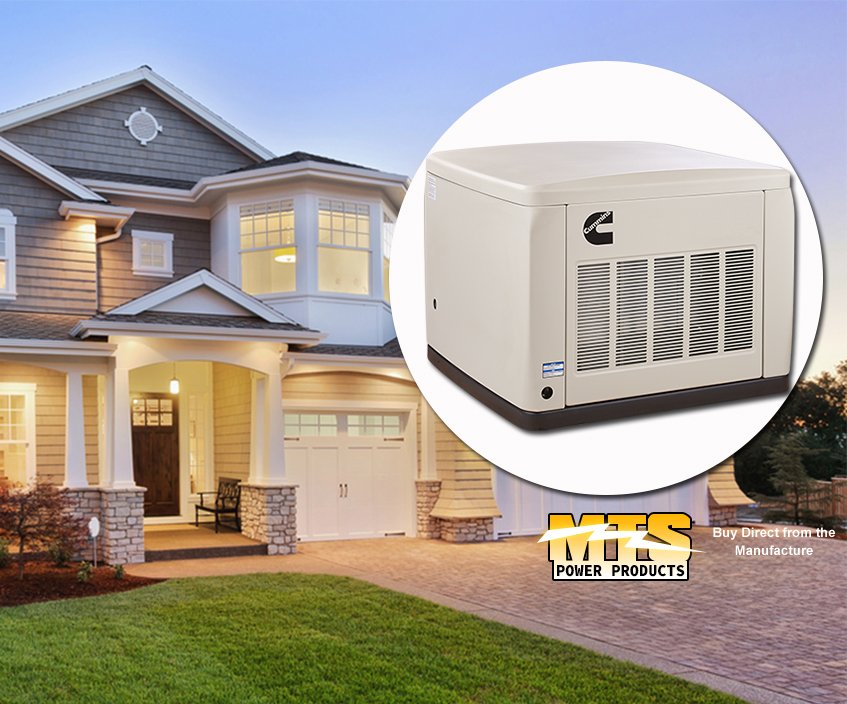
When we talk about natural gas generators for home backup, we're primarily referring to standby generators. These are substantial, permanently installed units that connect directly to your home's natural gas line and electrical system.
What They Are & How They Work
A standby natural gas generator is designed to kick in automatically the moment your main power supply is interrupted. It does this via an automatic transfer switch (ATS), which senses the outage, disconnects your home from the utility grid, and starts the generator, redirecting its power to your home's essential (or even whole-house) circuits. When utility power returns, the ATS reverses the process, shutting down the generator. This means you don't have to lift a finger during an outage.
While portable gasoline generators are an option for smaller, temporary needs, residential natural gas generators offer a level of convenience and power output that portables simply can't match, making them a true set-it-and-forget-it solution for serious backup.
Pros of Natural Gas Generators
- Reliability: This is an established technology with a long track record. Generators are designed to operate for extended periods, making them ideal for multi-day outages.
- High Power Capacity: Standby generators typically offer 10,000-20,000 watts of power, capable of running multiple major appliances simultaneously, including central air conditioning or an entire home. Some can even scale higher.
- Automatic Operation: The biggest convenience factor. When the power goes out, your generator senses it and starts up, often within seconds, without any intervention from you. This is invaluable, especially if you're not home or if an outage occurs in the middle of the night.
- Continuous Fuel Supply (with natural gas line): Unlike generators relying on propane tanks or gasoline cans, a natural gas line provides an essentially unlimited fuel source, eliminating the need for refueling during long outages.
- Proven Technology: The mechanics are well-understood by electricians and technicians, meaning easier servicing and readily available parts.
Cons of Natural Gas Generators
- Upfront Costs & Installation: A professionally installed standby natural gas generator can cost anywhere from $5,000 to $18,000, including the unit, automatic transfer switch, and labor. This is a significant investment.
- Noise Pollution: While quieter than portable models, standby generators still produce noticeable noise during operation. They're typically placed away from windows to mitigate this, but neighbors will likely hear them.
- Emissions and Fumes: As combustion engines, natural gas generators produce exhaust fumes and contribute to air pollution. This means they must be installed outdoors with proper ventilation.
- Maintenance Requirements: Generators require regular maintenance, including oil changes, spark plug checks, air filter replacements, and periodic load testing to ensure they'll start when needed. This adds to the long-term cost and effort.
- Dependency on Natural Gas Infrastructure: If a major earthquake or disaster damages the natural gas lines in your area, your generator's fuel supply could be cut off, rendering it useless.
Cost Considerations for Generators
- Initial Investment: As mentioned, $5,000-$18,000 for a standby unit with professional installation. Portable models are much cheaper ($500-$2,000) but offer less power and no automatic backup.
- Ongoing Fuel Costs: While natural gas is generally affordable, you will pay for the gas consumed during an outage. For very long outages, this can add up.
- Maintenance Costs: Expect annual service checks, which can cost a few hundred dollars, plus any repairs.
The Modern Contender: Home Battery Systems (Often Solar-Powered)
Home battery systems represent a leap forward in backup power technology. These are essentially large, rechargeable batteries designed to store electricity for later use, whether from the grid, solar panels, or a combination.
What They Are & How They Work
Modern home batteries, typically lithium-ion, LiFePO4, or even solid-state, are sophisticated energy storage devices. They connect to your home's electrical panel via an inverter and often a smart panel or gateway. When the grid is active, they charge up. When the power goes out, they seamlessly take over, converting their stored DC power into AC power for your home.
Many homeowners pair these batteries with solar panels, creating a robust solar-plus-storage system. In this setup, the solar panels charge the batteries during the day, making your home significantly more resilient and potentially off-grid capable during extended outages. However, a battery system can also be charged solely from the grid.
Pros of Home Battery Systems
- Clean and Emission-Free: Batteries operate silently and produce no emissions, making them safe for indoor installation (though typically installed in a garage or utility room).
- Quiet Operation: Beyond the gentle hum of an inverter, batteries are virtually silent, providing a peaceful environment during an outage.
- Low Maintenance: Unlike generators, batteries have very few moving parts and require minimal maintenance, primarily software updates and occasional checks.
- Potential for Financial Savings:
- Time-of-Use (TOU) Arbitrage: If your utility offers TOU rates, you can program your battery to charge when electricity is cheapest (off-peak) and discharge to power your home when rates are highest (on-peak), significantly reducing your monthly electric bill.
- Federal Solar Tax Credit: A substantial 30% federal solar tax credit (Investment Tax Credit or ITC) is available for solar-plus-storage systems, significantly reducing the upfront cost. This credit is set to end December 31, 2025, so timing is crucial.
- Scalability: Battery systems are highly scalable. You can start with one battery and add more later to increase your power capacity and run time as your needs or budget evolve.
- Fast Charging & Long Holds: Advanced LiFePO4 and solid-state batteries can charge in under 2 hours and hold their charge for up to a year, ensuring readiness.
- Grid Services: In some areas, utilities offer incentives for homeowners to allow their batteries to feed power back to the grid during peak demand, earning you credits.
Cons of Home Battery Systems
- Higher Upfront Cost: A home backup battery system is generally more expensive upfront than a standby generator. A 13.5 kWh battery might cost around $9,400 after incentives, but a full solar-plus-storage system can average $30,000 before the tax credit.
- Installation Complexity: Installing a whole-house battery system requires skilled electrical work and often electricians familiar with newer battery and smart panel technologies. This can add $2,000-$6,000 to equipment costs.
- Dependent on Charging Source: Without solar panels, your battery will eventually deplete during a long outage if it can only charge from the grid. With solar, it can recharge daily as long as the sun shines.
- Limited Power Output (for smaller systems): While scalable, a single battery unit might not power everything in your home for extended periods, particularly high-draw appliances like central AC, without careful energy management or multiple batteries.
Cost Considerations for Home Batteries
- Initial Investment: For a single battery unit, expect several thousand dollars, often $9,400 or more after incentives. For a complete solar-plus-storage system designed for whole-house backup, the cost can easily exceed $30,000 before the 30% federal tax credit.
- Long-Term Savings: No fuel costs, plus potential savings on electricity bills through TOU rate management. This can offset the higher upfront cost over time.
- Maintenance Costs: Minimal, mainly software updates and occasional checks, typically less than generators.
Making the Right Call: Key Decision Factors for Your Home
Choosing between a natural gas generator and a home battery system isn't a one-size-fits-all decision. It hinges on your specific needs, priorities, and property characteristics.
1. Power Capacity: How Much Juice Do You Really Need?
This is perhaps the most crucial factor. You need to identify what appliances you want to power during an outage and for how long.
- Below 3,000 watts: For charging phones, laptops, and maybe running a few lights and a Wi-Fi router, a smaller portable solar generator or a very small gas generator might suffice.
- 3,000-8,000 watts: If you need to power a refrigerator, some lights, a microwave, and perhaps a small window AC unit, a larger portable gas generator or an extra-large solar generator could work.
- 10,000+ watts: To run major appliances like central air conditioning, well pumps, electric water heaters, or most of your entire home, standby natural gas generators are highly suitable. Whole-house solar solutions can also achieve this, but typically require multiple battery units to reach this capacity and run time.
Device Wattage Examples (per hour): - Refrigerator: 100–200 watts
- AC (Central): 1,000–1,500 watts
- CPAP machine: 40–50 watts
- Laptop: 30–100 watts
- Wi-Fi router: 2–20 watts
Understanding Run Time: Don't just consider peak wattage; think about how long you need things to run. To power a 200-watt refrigerator for 10 hours, you need 2,000 watt-hours of energy. Overloading any backup power system can cause damage, so always calculate your true needs.
2. Automatic vs. Manual: Do You Want Power on Autopilot?
- Standby Natural Gas Generators: These are the undisputed champions of automatic backup. Once installed with an automatic transfer switch, they monitor your utility power and seamlessly switch over when an outage occurs. This is ideal for busy families, those who travel frequently, or anyone who wants true peace of mind.
- Whole-House Solar Generators (Batteries): With a smart panel and professional installation, these systems can also provide automatic backup. However, this is a newer technology, and you'll need electricians familiar with these integrated systems. The transition is usually instantaneous and silent.
- Portable Gas Generators: Always require manual setup. You'll need to roll it out, start it, plug in extension cords (or connect to a manual transfer switch), and refuel it regularly. This is a hands-on approach that some find perfectly acceptable, while others prefer automation.
3. Health & Safety: Where Does Your Power System Live?
- Solar-Powered Generators (Batteries): Emissions-free and quiet, home batteries are safe for indoor operation (e.g., in a garage or basement) and produce no carbon monoxide.
- Portable Gas Generators: These produce dangerous carbon monoxide fumes. They must be used outdoors in a well-ventilated area, away from windows and doors, to prevent CO poisoning. This also means running extension cords, which presents trip hazards and can limit appliance placement.
- Standby Natural Gas Generators: While they use combustion and produce exhaust, they are permanently installed outdoors, away from living spaces. When professionally installed according to codes, they are safe for home use.
4. Long-Term Costs and Environmental Impact
- Fuel vs. Free Energy: Natural gas generators have ongoing fuel costs during operation. Home batteries, especially with solar, benefit from free energy from the sun and zero fuel costs during outages.
- Maintenance: Generators require more frequent and detailed maintenance than battery systems, leading to higher long-term service costs.
- Environmental Footprint: Batteries offer a clean, green solution with zero operational emissions. Generators, by burning fossil fuels, contribute to greenhouse gas emissions and local air pollution. If environmental impact is a significant concern for you, batteries clearly have an advantage.
5. Installation & Infrastructure
- Natural Gas Generators: Require access to a natural gas line and significant electrical work to integrate with your home's panel and install the transfer switch. The generator unit itself needs a dedicated outdoor pad.
- Home Battery Systems: Also require skilled electrical work. If integrating with solar, roof space and solar panel installation are additional considerations. The battery unit itself is typically installed indoors (garage/utility) or sometimes outdoors in a protected enclosure. The complexity involves the inverter, smart panel, and wiring for automatic switchover.
Common Questions & Misconceptions
Let's address some common queries that often arise when comparing these two powerful backup options.
"Are natural gas generators really cheaper overall?"
Upfront, often yes, especially compared to a full solar-plus-storage system. However, the "overall" cost includes ongoing fuel expenses, maintenance, and the potential opportunity cost of not saving money on daily electricity bills. Over 10-15 years, a solar-plus-storage system with incentives and bill savings can often rival or even surpass the lifetime cost of a generator, particularly in areas with high electricity rates.
"Can I really run my whole house on batteries?"
Absolutely, with the right setup. Modern battery systems are highly scalable. By installing multiple battery units, you can achieve substantial power capacity and run time, enough to power an entire home, including major appliances. It's about designing a system that meets your specific power budget, which a qualified installer can help you calculate.
"What about maintenance for these systems?"
Natural gas generators require annual professional service checks (oil, filters, spark plugs, load testing). This is crucial for their longevity and reliability. Home battery systems, in contrast, are largely maintenance-free; software updates are typically handled remotely, and physical checks are infrequent.
"Do I need solar panels for a home battery?"
No. While solar panels significantly enhance a battery's capability (especially during multi-day outages by recharging it), a home battery system can be installed and charged directly from your utility grid. In this scenario, it acts primarily as a backup power source, potentially still saving you money through time-of-use optimization.
Your Next Steps: Charting a Course to Power Security
The decision between a natural gas generator and a home battery system is a significant one, impacting your peace of mind, budget, and daily life during an outage. There's no single "best" option; only the best solution for your home and your needs.
- Assess Your Power Needs: Start by making a detailed list of every appliance and device you consider essential during an outage. Calculate their wattage and estimate how long you'd need them to run. This will give you a concrete number for your required power capacity and run time.
- Evaluate Your Home's Infrastructure: Do you have an existing natural gas line? Do you have suitable roof space for solar panels? Where would a generator or battery system be installed on your property?
- Consider Your Budget and Long-Term Goals: What's your comfort level for upfront investment? Are you prioritizing the lowest immediate cost, or are you looking for long-term savings and a greener solution? Don't forget to factor in potential tax credits for battery systems.
- Consult the Professionals: This is not a DIY decision for whole-house systems. Seek quotes and advice from licensed electricians and reputable installers specializing in both generators and home battery systems. They can provide tailored recommendations, conduct site assessments, and ensure compliance with all local codes and safety standards.
- Understand Local Incentives: Beyond the federal solar tax credit, check if your state or local utility offers any rebates or incentives for backup power solutions, especially for battery storage.
By carefully weighing these factors, you can confidently choose the home backup power system that will keep your family safe, comfortable, and connected, no matter what the grid throws your way.