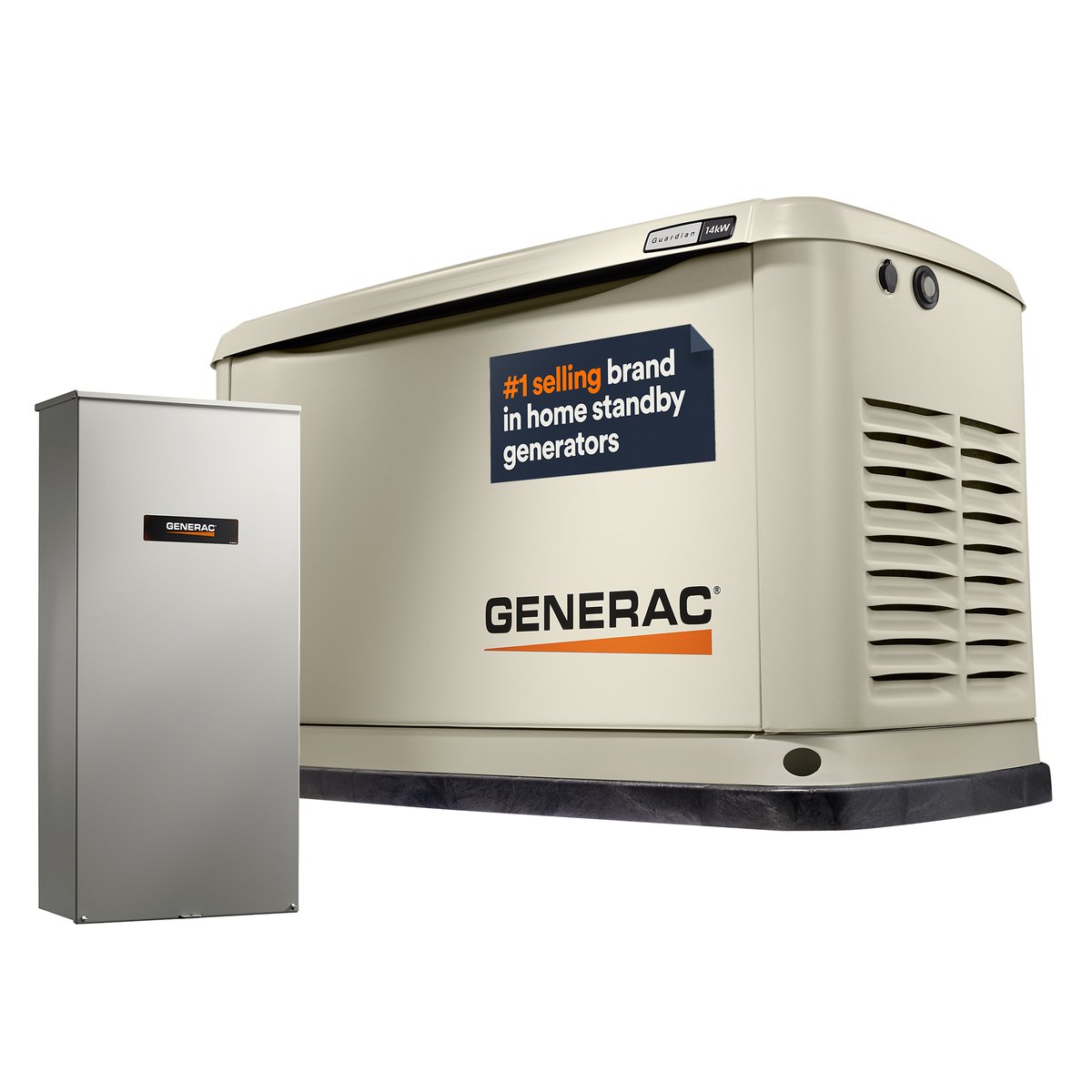
Imagine the lights flickering, then plunging your home into darkness. The refrigerator starts humming a little too quietly, and the familiar whir of your air conditioning unit fades into silence. For many homeowners, this scenario is a harsh reality, often brought on by severe weather, grid failures, or unexpected energy demands. But what if you could ensure your home remains a beacon of light and comfort, even when the rest of the neighborhood goes dark?
That’s where natural gas residential generators come in. These powerful systems are designed to spring into action when your primary power source fails, providing seamless electricity to keep your essential appliances running and your family safe. With about 8% of U.S. households already owning a generator, the peace of mind they offer is undeniable. To truly grasp how these systems convert natural gas into reliable electricity for your home, you'll want to Learn about natural gas generators Understanding their intricate workings and the science behind their efficiency.
Why Choose Natural Gas? Unpacking the Core Advantages for Your Home
Opting for a natural gas generator brings a host of benefits that make it a standout choice for home backup power. They offer a unique blend of convenience, efficiency, and environmental responsibility, setting them apart from other fuel types.
- Cost Efficiency: Natural gas is often a more affordable fuel source compared to diesel or propane, translating into lower operating costs and potentially reduced utility bills over time due to its efficient use.
- Environmental Friendliness: Generating significantly fewer emissions, natural gas produces up to 45% less carbon dioxide than coal, alongside lower particulate matter, making it a greener option for your home.
- Unmatched Reliability: Connected directly to your home's natural gas line, these generators deliver consistent power during outages without the need for manual refueling, a reliability factor noted by the National Renewable Energy Laboratory (NREL) in emergency situations.
- Quiet Operation: Many natural gas models are engineered for quieter performance, operating at noise levels typically between 50 to 70 decibels, which is much more agreeable for residential areas than their gasoline or diesel counterparts.
- Ultimate Convenience: When paired with an automatic transfer switch, a natural gas generator provides standby power the moment an outage occurs, requiring no intervention from you—it's truly set-it-and-forget-it power.
- Long-Term Fuel Availability: As an abundant resource in the U.S., with reserves estimated to last over a century, natural gas ensures long-term fuel availability, as confirmed by the American Gas Association.
- Low Maintenance Requirements: Compared to other fuel types, natural gas generators typically demand less maintenance, avoiding regular oil changes or fuel stabilization tasks that burden gasoline or diesel units.
- Enhanced Safety: Natural gas is non-toxic and less flammable than gasoline, presenting a lower risk of explosion. Coupled with automatic shut-off functions, these generators offer reduced fire hazards, as reported by NFPA.
Finding the Perfect Fit: Sizing Your Home's Power Needs
Once you're convinced a natural gas generator is right for you, the next crucial step is determining the appropriate size. It's not a one-size-fits-all solution; your home's unique power requirements dictate the ideal generator capacity.
Start by assessing your essential circuits and appliances, from lighting and your refrigerator to heating/cooling systems and vital medical devices. You'll want to list every appliance you intend to run simultaneously, carefully noting both their running wattage and their higher starting (or surge) wattage. For instance, a refrigerator might need 800 running watts but a hefty 1200 starting watts, while a central A/C could demand 3000 running and 5000 starting watts.
Your chosen generator's capacity must exceed this total wattage, ideally by an additional 20-30% for a safety margin and to accommodate future needs. Always consult manufacturer guidelines for specific operational limits. For a deeper dive into making this critical choice and ensuring your generator meets both current and future demands, you'll find comprehensive guidance when Choosing the right home generator for your property.
Beyond Power: Essential Features for Smart Generator Ownership
Selecting a generator isn't just about watts; it's about finding a unit packed with features that enhance safety, convenience, and efficiency. Modern natural gas generators offer impressive technologies that make them invaluable assets during an outage.
Key Features to Prioritize
- Power Output: While 5,000 to 10,000 watts is a common recommendation for most homes, robust models like the Westinghouse 18000 Peak Watt Tri-Fuel Home Backup Portable Generator or the DuroMax XP13000HXT Tri-Fuel Portable Generator offer significantly higher outputs for extensive home coverage, even accommodating large appliances.
- Fuel Efficiency: Look for models that effectively convert fuel to power, measured in gallons per hour at full load. Higher efficiency means lower operating costs over time.
- Noise Level: With models like the Westinghouse 12500 Peak Watt Tri-Fuel featuring noticeable operation, quieter units, typically ranging from 50 to 70 decibels, are often preferred for residential comfort.
- Transfer Switch Compatibility: This feature is absolutely essential for safely connecting your generator to your home’s electrical system and ensuring a smooth, code-compliant power transfer. Most reliable generators, including the DuroMax XP13000EH, are designed with a transfer switch-ready outlet.
- Load Management Features: Smart generators can prioritize power distribution to different circuits, preventing overloading and optimizing energy use.
- Automatic Start Function: Many premium natural gas generators, like the Westinghouse 14500 Peak Watt Tri-Fuel, boast a remote start, while the DuroMax XP13000HXT offers a convenient push-button start, ensuring your power kicks in automatically when the grid goes down.
- Warranty and Service: A strong warranty (minimum 2-3 years) and accessible service options, such as Westinghouse's nationwide service network, are indicators of reliability and manufacturer support.
- Size and Weight: While some units like the Westinghouse 14500 Peak Watt Tri-Fuel come with built-in handles for portability, consider if you need a lighter, more mobile unit or a more robust, stationary model for dedicated home backup.
Natural Gas vs. Other Fuels: A Quick Comparison
While natural gas generators offer moderate power output and efficiency comparable to propane, it’s useful to see how they stack up against other common fuel types. Diesel generators typically provide higher power output and are more efficient for very large applications, but often come with higher upfront costs and more complex maintenance. Gasoline generators, while readily available, are generally less efficient, have lower power outputs, and pose greater storage and refueling challenges, especially during prolonged outages.
Seamless Integration: Understanding Installation and Safety
A natural gas generator's true value comes from its seamless integration into your home's electrical system, often through a dedicated connection to your existing natural gas line. This professional setup ensures consistent fuel supply and safe operation. Part of this integration involves navigating local requirements; therefore, understanding the nuances of how these powerful units are installed and the necessary permits involved is a crucial step for any homeowner. You can dive deeper into these practicalities and ensure a smooth, compliant setup by exploring Installation and Permitting for Home systems.
Beyond the installation, operating any generator demands adherence to strict safety precautions to protect your home and family.
- Adequate Ventilation: Always place your generator outdoors, at least 20 feet from windows, doors, and vents, to prevent dangerous carbon monoxide fumes from entering your home. This is a critical recommendation from the CDC.
- Safe Distance from Flammable Materials: Maintain at least 5 feet of clearance around the generator from anything flammable, including gasoline, propane tanks, and dry vegetation, as advised by the NFPA.
- Carbon Monoxide Detectors: Install CO detectors near sleeping areas to alert you to hazardous gas levels, a vital step recommended by the Consumer Product Safety Commission.
- Regular Inspection: Conduct annual checks for wear and tear, including fuel lines, oil levels, and air filters, as per American National Standards Institute guidance.
- Proper Grounding Techniques: Ensure your generator is correctly grounded to prevent electrical shock or damage, a requirement of the National Electric Code.
- Avoid Overload: Always refer to your manufacturer's manual to understand your generator's maximum wattage to prevent damage or shutdowns.
- Keep Children and Pets Away: Minimize the risk of burns or injuries from hot surfaces and moving parts.
- Follow Manufacturer Guidelines: Adhere strictly to the specific instructions for setup, operation, and maintenance to ensure safe conditions and avoid voiding warranties.
Keeping Your Powerhouse Healthy: Essential Maintenance Tips
Just like any vital home appliance, your natural gas generator requires consistent care to ensure it’s ready when you need it most. Regular maintenance not only prolongs its lifespan but guarantees optimal performance during an emergency.
- Regular Oil Changes: After the initial 20-30 hours of use, and then every 100 hours, perform an oil change. This is crucial for lubrication and minimizing engine wear.
- Fuel System Maintenance: Periodically check your fuel filter and inspect for any leaks, ensuring your generator receives clean, appropriate-grade natural gas as per U.S. Department of Energy guidelines.
- Battery Check and Replacement: Maintain clean battery terminals and regularly check the charge. The NFPA recommends annual testing of battery conditions.
- Air Filter Cleaning or Replacement: Ensure adequate air intake for efficient combustion by cleaning or replacing the air filter every 50 hours or annually, following your manual's guidance.
- Spark Plug Inspection and Replacement: Inspect spark plugs every 100 hours and replace them every 200 hours to maintain ignition efficiency.
- Cooling System Maintenance: Check coolant levels and inspect hoses for wear, changing coolant every two years according to manual specifications.
- Exercise Your Generator Periodically: Run your generator for about 30 minutes monthly to circulate oil and keep the battery charged, an ASHRAE recommendation.
- Inspect and Test the Transfer Switch: Annually test your transfer switch to ensure seamless power transfer, a requirement of the National Electrical Code.
- Clean the Exterior: Regularly clean the generator's exterior to prevent rust, corrosion, and debris accumulation.
- Professional Annual Inspection: Generac Corporation recommends a professional annual inspection to catch non-apparent problems and ensure compliance with safety standards. For a complete guide to extending the life and reliability of your system, delve deeper into Maintenance and Longevity of Natural gas generators.
The True Value: Considering Cost and Long-Term Investment
Investing in a natural gas residential generator is more than just buying an appliance; it's securing peace of mind and protecting your home from the vulnerabilities of power outages. While there's an initial outlay for the unit and professional installation, the long-term benefits often far outweigh the costs. The cost efficiency of natural gas as a fuel, coupled with the low maintenance requirements, contributes to significant savings over the generator's lifespan. Furthermore, the ability to keep essential systems running, protect sensitive electronics, and maintain comfort and safety during emergencies adds immeasurable value that can't always be quantified in dollars. Understanding the complete financial picture and the extensive benefits these systems provide is essential, which is why you'll want to Understand generator costs and value to make an informed decision for your home.
Empowering your home with a natural gas residential generator means transforming uncertainty into resilience. With the right knowledge about selection, installation, maintenance, and safety, you're not just buying a piece of equipment; you're investing in continuous comfort, security, and peace of mind for years to come.