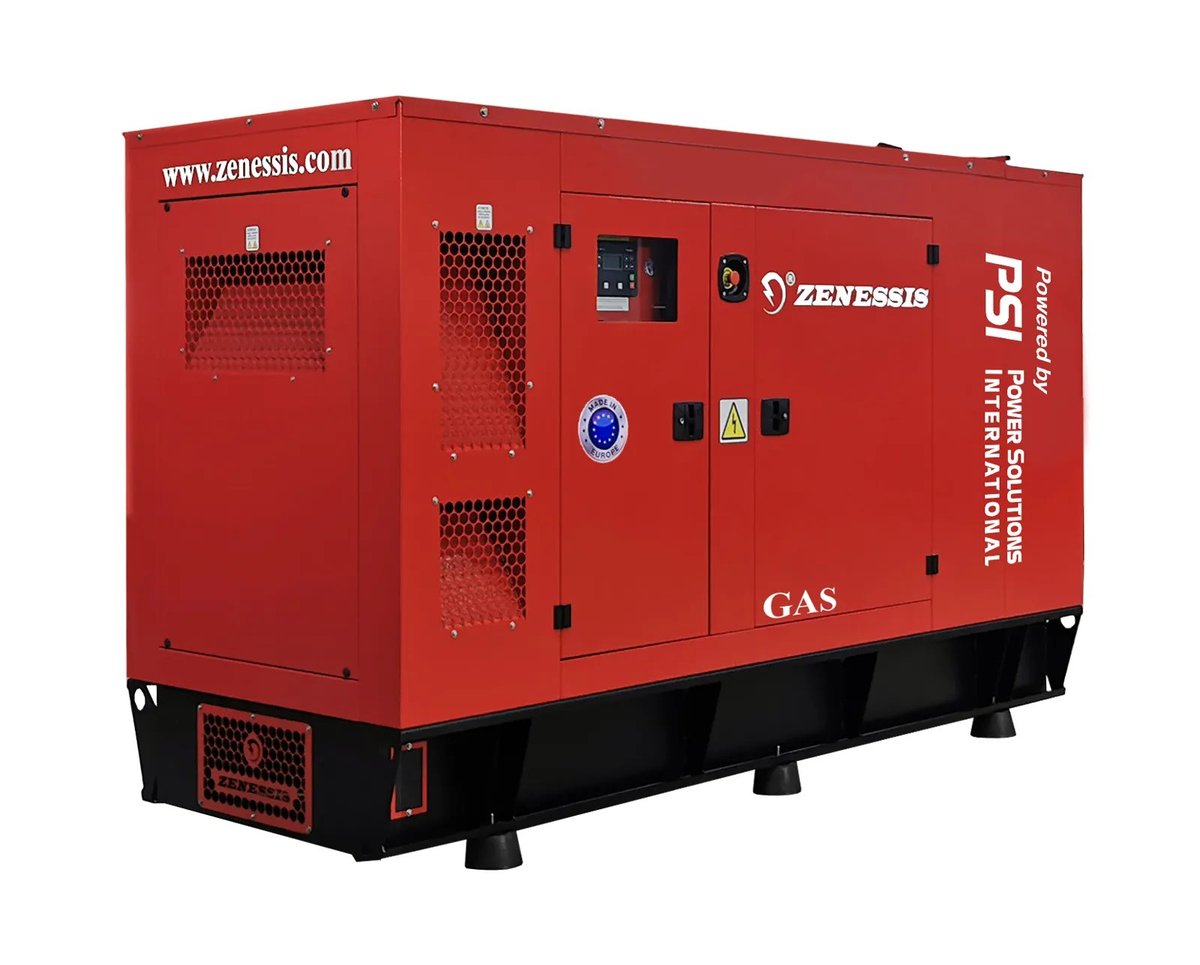
Owning a natural gas generator provides peace of mind, offering reliable backup power or primary energy. But just like any complex machinery, its true value isn't just in its initial power output, but in its sustained performance over time. Mastering the art of Maintenance and Longevity of Natural Gas Generators isn't merely about ticking boxes; it's about safeguarding your investment, ensuring uninterrupted power, and maximizing every dollar spent. It’s about understanding the subtle hum of a healthy engine versus the nascent grind of impending trouble, and knowing precisely when and how to intervene.
At a Glance: Key Takeaways for Generator Longevity
- Lifespan Varies: Standby natural gas generators can last 20-30 years (10,000-30,000 operating hours); prime power units may need overhauls in under a decade. Portable units are a different class, with shorter lifespans.
- Maintenance is King: Regular oil changes, filter replacements, and spark plug checks are non-negotiable.
- Exercise is Crucial: Standby generators need to run under load regularly (bi-weekly/monthly for 30 minutes) to stay lubricated and prevent issues.
- Load Matters: Operate your generator at moderate, steady loads (ideally 30-50% capacity occasionally) and avoid sustained under-loading or frequent overloading.
- Environment Counts: Protect your unit from extreme temperatures, dust, and moisture; proper ventilation is key.
- Quality Pays Off: Industrial-grade units from reputable manufacturers offer inherently longer service lives.
- Listen to Your Unit: Address any warning signs (noises, reduced power, starting issues) promptly to prevent minor problems from escalating.
The Long Game: Understanding Your Generator's Designed Lifespan
When you invest in a natural gas generator, you're not just buying a machine; you're acquiring a long-term solution. But how long is "long-term"? The answer varies significantly depending on the generator's intended use and build quality.
For a typical standby natural gas generator, the kind that kicks in when the power goes out at your home or business, you can expect an impressive design life often exceeding 20 years. In terms of operating hours, these units are commonly rated for anywhere from 10,000 to 30,000 hours before requiring a major overhaul. Given that a standby unit might only run for a few hundred hours a year during outages and routine exercises, hitting that 10,000-hour mark could easily take two to three decades. This means your generator could be a reliable power partner for a very significant portion of your life or your business's operation. If you're considering investing in residential natural gas generators, understanding these figures provides valuable context.
Prime power units, designed to be the sole source of electricity, face a much tougher life. Running continuously, they might accumulate 8,000 hours in a single year, necessitating a major engine rebuild in a decade or less. However, it's important to note that with proper rebuilds and component replacements, these workhorse generators can easily surpass 30,000 operating hours, continuing to provide robust power for years.
It’s also crucial to distinguish between stationary and portable gas generators. While this guide primarily focuses on larger, more permanent natural gas units, it’s worth noting that smaller, portable gas generators are typically built differently and have shorter expected lifespans, often ranging from 1,000 to 3,000 engine hours (or 5 to 10 years) due to differences in engine size, build quality, and intended, often intermittent, use.
Dispelling the Diesel Myth: Natural Gas vs. Longevity
A common misconception is that natural gas generators are inherently shorter-lived than their diesel counterparts. The truth is more nuanced. While early natural gas engines might have had some longevity challenges, modern natural gas generators are robust and durable.
In fact, natural gas engines often experience less abrasive wear compared to diesel engines. This is due to cleaner combustion, which results in significantly reduced carbon buildup within the engine. This benefit is particularly pronounced in stationary applications with steady loads, where the engine operates consistently without the fluctuations that can stress components. Therefore, for comparable industrial-grade units, natural gas generators are not inherently shorter-lived than diesel units; they simply have different maintenance profiles and operating characteristics that, when managed correctly, lead to excellent longevity. In fact, many appreciate the benefits of natural gas generators, including their cleaner operation.
The Cornerstones of Endurance: What Really Impacts Your Generator's Lifespan?
Your generator's journey from installation to reliable old age isn't left to chance. Several critical factors converge to determine how long and how well it performs.
1. Consistent Maintenance: The Lifeblood of Your Machine
This is, without a doubt, the single most critical factor influencing your generator's longevity. Think of it like preventive healthcare for your car; skipping oil changes or ignoring warning lights inevitably leads to bigger, more expensive problems down the road. Regular inspections, fluid changes, and component checks keep everything running smoothly and catch potential issues before they escalate. A diligent approach to maintenance can mean the difference between 10,000 hours and 30,000 hours of service. For a detailed guide, refer to a comprehensive maintenance checklist.
2. Duty Cycle and Load Management: The Rhythm of Work
How your generator works directly impacts how long it lasts. Engines thrive when running at moderate and steady loads.
- Avoid Frequent Starts/Stops: These put immense stress on starting components and engine parts.
- Beware Heavy Overloading: Pushing the generator beyond its rated capacity repeatedly will cause premature wear and damage.
- Guard Against Sustained Low-Load Operation (Under-loading): This is a silent killer. Running a generator consistently at very low loads (e.g., less than 30% of its capacity) can lead to "wet stacking," where unburnt fuel and carbon residues build up, glazing cylinder walls and causing inefficient combustion and eventual damage.
- Optimal Operation: It's generally recommended to operate below maximum wattage, ensuring there's always a little room to breathe.
3. Operating Environment: Shielding Your Investment
Where your generator lives matters. Exposure to harsh elements can significantly shorten its life.
- Extreme Temperatures: Excessive heat can degrade components and fluids faster, while extreme cold can strain starting systems and lead to lubrication issues.
- Corrosive Air: Proximity to saltwater or industrial pollutants can accelerate rust and material degradation.
- Dust and Humidity: Fine dust can clog filters and abrade internal components; high humidity can promote corrosion and affect electrical systems.
- Ventilation: Proper airflow is crucial to dissipate heat and prevent moisture buildup, especially if the unit is housed in an enclosure. A climate-controlled enclosure, if feasible, offers ideal protection.
4. Quality of the Unit: The Foundation of Durability
You often get what you pay for. Industrial-grade generators from reputable manufacturers are designed with more robust components, superior engineering, and higher quality materials. These units are built to withstand the rigors of continuous operation and environmental stress, inherently offering longer lifespans than economy models. Researching brands known for durability and comprehensive warranties is a wise move when purchasing.
5. Fuel Quality: The Invisible Contributor
For natural gas units, pipeline natural gas is generally quite consistent and clean. However, ensuring it's free of contaminants and moisture is still important. While less of a concern than with gasoline-powered units, any impurities can eventually affect fuel lines and combustion. For gasoline generators (especially portable ones), using high-quality fuel with appropriate stabilizers is critical to prevent degradation and fuel system issues during storage.
Your Action Plan: Extending Your Natural Gas Generator's Life
Now that we understand the influencing factors, let's dive into the practical steps you can take to ensure your natural gas generator delivers decades of reliable service.
1. Master the Maintenance Schedule: Don't Guess, Follow the Guide
Your generator's manual isn't just a thick book to stash away; it's your definitive guide to longevity. Adhere strictly to the manufacturer's recommended maintenance schedule. While specifics vary, common items include:
- Oil Changes: This is paramount. For most units, expect to change the oil every 50-100 operating hours. For standby units that don't accrue many hours, an annual oil change (regardless of hours) is often recommended, as oil degrades over time even when not in use. Use the specified oil type and viscosity.
- Spark Plugs: These typically need replacement every 100-200 hours, or annually. Worn spark plugs lead to inefficient combustion and increased fuel consumption.
- Filters (Air, Oil, Fuel): Oil filters should be changed with every oil change. Air filters should be inspected regularly and replaced annually or more frequently in dusty environments. While natural gas is cleaner, some units have fuel filters that need periodic inspection and replacement to ensure a contaminant-free supply.
- Visual Inspections: Regularly check for leaks (oil, coolant, fuel), loose connections, frayed wires, and signs of corrosion.
2. The Power of Regular Exercise: Keep Standby Units Nimble
Standby generators aren't meant to sit idle for months on end. Regular exercise is vital for their health.
- Frequency: Run your standby unit under a load bi-weekly or at least monthly.
- Duration: A 30-minute run is usually sufficient.
- Purpose: This exercise lubricates all engine components, circulates fluids, prevents seals from drying out, cleans electrical contacts, and burns off any moisture or carbon buildup. It also verifies that the automatic transfer switch (ATS) and other systems are functioning correctly, ensuring your generator is ready when you need it most.
3. Load Management: Avoiding the Extremes
As discussed, both under-loading and overloading are detrimental.
- Prevent Sustained Under-loading: Ensure your generator occasionally runs at a healthy load, ideally at least 30-50% of its capacity. This allows the engine to reach optimal operating temperatures, burn fuel efficiently, and prevent carbon buildup and "wet stacking." If your generator primarily runs very light loads, consider occasionally connecting more appliances or using a resistive load bank to give it a proper workout.
- Avoid Overloading: Never exceed the generator's rated wattage. Overloading strains the engine, overheats components, and can trip breakers or cause permanent damage. When choosing the right generator size, it’s better to have a little extra capacity than to constantly push the limits.
4. Cooling System Vigilance: Staying Chill Under Pressure
An overheated generator is a damaged generator.
- Radiator Cleanliness: Keep the radiator fins free of dust, debris, and blockages to ensure efficient heat exchange.
- Coolant Levels: Check coolant levels regularly and top up with the manufacturer-specified coolant type.
- Airflow: Ensure air intake and exhaust vents are unobstructed. Clear any vegetation, snow, or other items that might impede airflow.
- Hoses and Belts: Inspect cooling system hoses for cracks or leaks and belts for proper tension and wear.
5. Don't Ignore Warning Signs: Proactive Problem Solving
Your generator often communicates its distress before a catastrophic failure. Pay attention to:
- Unusual Noises: Knocking, rattling, grinding, or excessive vibration can indicate internal engine problems, loose components, or bearing wear.
- Reduced Power Output: If your generator struggles to power appliances it once handled easily, or if voltage/frequency fluctuates significantly.
- Excessive Smoke: While a little white smoke on startup is normal in cold weather, persistent white, blue, or black smoke points to issues like coolant leaks, oil burning, or improper fuel-air mixture.
- Fluid Leaks: Any visible leaks of oil, coolant, or fuel should be investigated immediately.
- Difficulty Starting: Prolonged cranking, sputtering, or failure to start are clear indicators of a problem with the starting system, fuel delivery, or ignition.
Addressing these issues promptly prevents them from escalating into major, costly repairs. You might find a guide on troubleshooting common generator problems useful.
6. Battery Health: The Heartbeat of Standby Power
For standby generators, the starting battery is crucial.
- Keep it Charged: Most standby units have a built-in trickle charger. Ensure it's functioning correctly.
- Test Regularly: Periodically test the battery's voltage and cold-cranking amps (CCA) to confirm it can deliver the necessary power to start the engine.
- Clean Terminals: Keep battery terminals clean and free of corrosion.
7. Proper Storage: When Not in Use
While primarily for portable units or generators taken out of service, proper storage is vital.
- Dry, Ventilated Place: Store in an area protected from dust, moisture, and extreme temperatures.
- Fuel Management (if applicable, e.g., gasoline portable units): If storing a gasoline unit for more than a month, add fuel stabilizer and run the engine briefly to circulate it, or drain the fuel completely.
- Cover: Use a breathable cover to protect from dust and debris.
- Disconnect Battery: If storing for an extended period, disconnect the battery to prevent discharge.
When It's Time to Say Goodbye: Recognizing the End-of-Life Signals
Even with impeccable maintenance, all machines eventually reach a point where repairs become uneconomical or unfeasible. The limiting factor is often the accumulation of high operating hours, leading to wear on critical components like piston rings, bearings, and cylinder heads, rather than a sudden, complete engine failure.
Here are the tell-tale signs that your natural gas generator might be nearing the end of its practical life or requires a major overhaul/replacement:
- Consistent Difficulty Starting: Despite thorough battery and starter checks, the generator repeatedly struggles to fire up.
- Significantly Reduced Power Output: It can no longer reliably power your essential loads, even at moderate demand.
- Frequent Power Fluctuations: Inconsistent voltage or frequency that could damage connected appliances.
- Unusual, Persistent Noises: Loud knocking, persistent rattling, or grinding that indicates internal engine damage and cannot be fixed with minor adjustments.
- Excessive Smoke or Fuel Consumption: Burning through natural gas (or any fuel) at an alarming rate, or producing constant, heavy smoke.
- Frequent Breakdowns: The generator requires increasingly frequent and costly repairs, despite adherence to the maintenance schedule.
- Major Fluid Leaks: Persistent leaks from critical components (engine block, fuel lines) that are difficult or expensive to repair.
- Age and Hours: A used generator with 10,000+ hours without documented maintenance or a major overhaul should be approached with caution, as it's nearing the common benchmark for a major service.
At this point, you'll need to weigh the cost of a major overhaul (which can be substantial) against the cost of a new, more efficient generator with a fresh warranty.
Investing in Tomorrow: Smart Choices for a Long-Lasting Generator
If you're in the market for a new natural gas generator, making informed decisions upfront can significantly impact its future longevity.
- Prioritize Quality and Reputation: Invest in units from reputable manufacturers known for producing durable, industrial-grade equipment. These brands often use higher quality components and offer better post-sales support and parts availability.
- Four-Stroke Engines: For stationary applications, always opt for a four-stroke engine. They are inherently more durable, fuel-efficient, and produce fewer emissions than two-stroke engines.
- Right-Size Your Generator: Choose a capacity that comfortably meets your power needs without being excessively oversized. A generator that's too small will struggle and overload; one that's too large might suffer from sustained under-loading. A good rule of thumb is to calculate your peak power needs and add a small buffer (e.g., 20-30%) for future expansion or unexpected loads.
- Review Warranty Terms: A comprehensive warranty from the manufacturer signals confidence in their product's durability. Understand what's covered, for how long, and what conditions apply.
- Consider Installation: Professional installation by certified technicians is crucial. Incorrect wiring or fuel line installation can lead to safety hazards and operational inefficiencies that shorten the generator's life. Always adhere to essential safety guidelines.
Beyond Today: Proactive Steps for Future-Proofing Your Power
Your natural gas generator is a vital asset, offering security and convenience. Its long-term reliability isn't a matter of luck, but a direct result of consistent, intelligent care. By prioritizing regular maintenance, understanding the nuances of load management, protecting it from environmental stressors, and making smart choices during purchase, you're not just extending the life of a machine—you're securing your peace of mind for years, even decades, to come. Think of every oil change, every exercise run, and every prompt repair as an investment that pays dividends in uninterrupted power, ensuring your home or business remains operational, come what may.