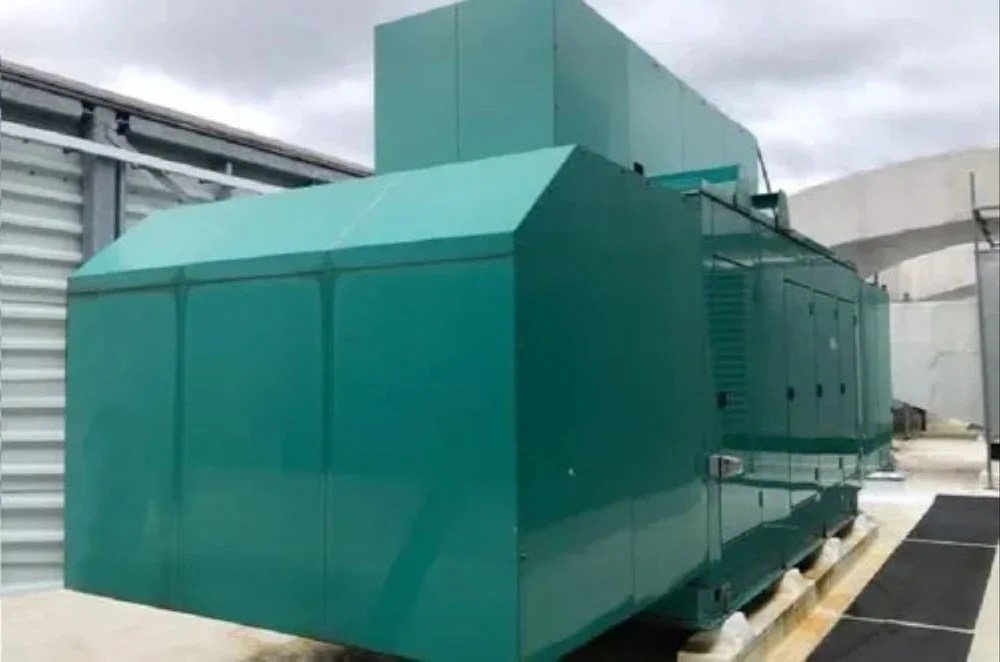
Imagine the frustration: the power goes out, the lights flicker, and suddenly your home goes silent. For many, this isn't just an inconvenience; it can mean spoiled food, an unheated or uncooled house, or even a loss of essential medical equipment. That's where a reliable backup power solution comes in, and for a growing number of homeowners, an introduction to residential natural gas generators is the first step toward true energy independence. These aren't just for emergencies; they're a permanent, dependable safeguard for your modern life.
Unlike portable generators that require you to haul and refuel gas cans, natural gas generators offer a continuous, worry-free power supply directly from your home's existing gas line. They're designed to seamlessly kick in when the grid falters, keeping your home comfortable and functional, often without you even lifting a finger.
At a Glance: What You Need to Know About Natural Gas Generators
- Permanent Power: Connects directly to your home's natural gas line for an uninterrupted fuel supply.
- Automatic Operation: Standby models detect outages and turn on automatically, then shut off when grid power returns.
- Clean & Convenient: No messy fuel storage or frequent refills required. Natural gas burns cleaner than diesel.
- Reliable Fuel Source: Underground natural gas lines are generally less vulnerable to certain weather events than above-ground power lines.
- Ideal for Standby: Perfect for whole-home backup or powering essential circuits during power failures.
- Professional Installation: Requires a licensed electrician and plumber for safe and code-compliant setup.
The Heart of the Matter: How a Natural Gas Generator Powers Your Home
So, how exactly does a box in your yard translate natural gas into usable electricity for your entire home? It's a marvel of engineering, simplified. A natural gas generator operates much like a car engine, but instead of moving a vehicle, it’s creating electricity.
Here’s the basic rundown:
- Fuel Delivery: Natural gas, piped directly from your utility's main supply to the generator, acts as the fuel. This constant, underground supply eliminates the need for manual refueling, a significant advantage over other fuel types.
- Combustion Engine: The generator houses a robust internal combustion engine. When activated, it burns the natural gas, creating rotational energy.
- Alternator Action: This engine drives a motor, which in turn spins an alternator. The alternator is the component responsible for converting mechanical energy into electrical current.
- Power Conditioning: The raw electrical current from the alternator is then carefully adjusted. This ensures it has the correct frequency (e.g., 60 Hz in North America), voltage (e.g., 120V/240V for homes), and amperage to safely power your home's electrical system, just like the utility grid does.
- Exhaust & Cooling: For safe and efficient operation, the generator includes an exhaust system to vent combustion gases away from your home and a cooling system to prevent the engine from overheating, especially during extended use.
- Seamless Transition (for Backup): When used for home backup, the generator connects to an automatic transfer switch. This smart device constantly monitors utility power. The moment it detects an outage, it seamlessly switches your home's power source from the utility grid to the generator, often in a matter of seconds. When utility power returns, the transfer switch reverses the process, allowing the generator to cool down and shut off.
This entire process is designed for reliability and convenience, offering a continuous power solution that requires minimal intervention from you. When you're ready to explore natural gas generators for homes further, understanding these core mechanics will help you appreciate their sophisticated yet robust design.
Different Strokes: Types of Natural Gas Generators
Not all natural gas generators are created equal. Depending on your needs, you might encounter a few distinct types, each designed for specific applications.
Standby Generators: Your Automatic Power Guardian
These are the most common type for residential use. Permanently installed outside your home, they are fueled directly by your local natural gas utility line. Their defining feature is automation: when grid power fails, the generator senses the outage, automatically starts up, and powers your home. When utility power is restored, it automatically shuts down.
Standby generators are designed for "limited emergency use," meaning they're meant to provide backup when the grid goes down. The natural gas supply, being underground, is generally resilient to severe weather, offering an unlimited, non-degrading fuel source.
Prime Power Generators: Going Off-Grid
Less common for typical residential settings, prime power generators are designed to be the sole power source where no utility grid connection exists. Think remote cabins or off-grid homesteads. If a utility line isn't present, these require natural gas to be truck-delivered, which can add complexity. They are built for continuous operation and can handle larger, more variable electrical loads.
- Continuous Power Generators: This is a specialized subset of prime power, engineered to run nonstop with a consistent electrical load. They are typically found in industrial or commercial applications where constant power is absolutely critical.
Dual-Fuel & Tri-Fuel Generators: The Flexible Option
Sometimes, flexibility is key. Dual-fuel generators can operate on natural gas and another fuel, most commonly propane. Tri-fuel generators add a third option, often gasoline or diesel. While more prevalent in portable or industrial units where a natural gas hookup might not always be available, conversion kits can adapt many standard generators to accept natural gas.
This multi-fuel capability provides an excellent safety net, allowing you to switch fuels based on availability or cost. For instance, if your natural gas line is temporarily compromised, you could switch to propane. In some industrial contexts, these generators can even utilize "field gas" (raw gas from wellheads), turning a waste product into usable energy and cutting fuel costs significantly.
The Gas Line Equation: Availability and Limitations
The primary determining factor for whether a natural gas generator is a viable option for you is simple: Do you have natural gas infrastructure in your area?
Natural gas is delivered via underground pipelines. This means you won't be refilling tanks or scheduling deliveries like with propane or diesel. While widely available in urban and suburban regions, natural gas lines are less common in very rural or remote areas.
Before you get too far into planning, here's what to do:
- Contact Your Local Utility: Your first call should be to your local natural gas utility provider. They can confirm if natural gas service is available at your address and, if so, what the process is for installing a dedicated line for a generator.
- Consult a Generator Installer: A reputable installer will be able to assess your property's specific requirements, including gas line accessibility and the feasibility of installation. They can also help you understand the overall cost of generator installation beyond just the unit itself.
Limitations to Keep in Mind: - Installation Location: The generator's placement will be dictated by the proximity and accessibility of the natural gas line, as well as local zoning laws and setback requirements from windows and property lines.
- Regulatory Hurdles: Some states or municipalities have stringent regulations regarding generator emissions. This might require modifications like catalytic converters to meet local air quality standards, adding to the installation cost and complexity.
- Disaster Vulnerability: While underground lines are generally robust, natural gas lines can be vulnerable to severe natural disasters like earthquakes, which can cause breaks and disruptions in service. In such extreme events, your natural gas generator might not be able to operate if the supply itself is interrupted.
Powering Your World: Applications for Natural Gas Generators
Natural gas generators shine in scenarios where continuous, reliable power is non-negotiable and the convenience of an endless fuel supply is paramount.
For residential standby power, they are a game-changer. Imagine never worrying about your sump pump failing in a storm, your refrigerator food spoiling during a long outage, or your AC going out in a heatwave. A natural gas standby generator handles all of this automatically, eliminating the need for you to store fuel or manually start a unit. They offer peace of mind that other types of home generators simply can't match when it comes to hands-off operation and fuel supply.
Beyond homes, these generators are critical for facilities that require uninterrupted operation:
- Hospitals and Nursing Homes: Essential for life-support systems, heating, cooling, and critical medical equipment.
- Data Centers: To prevent costly data loss and maintain critical online services.
- Commercial Buildings: To keep businesses running during outages, protecting inventory and maintaining customer service.
The continuous fuel supply, low emissions compared to diesel, and reliability make natural gas an attractive choice for these applications where the limited shelf life of gasoline or the potential scarcity of propane are significant drawbacks.
The Right Fit: Sizing Your Natural Gas Generator
Choosing the correct size generator for your home is one of the most crucial steps. Too small, and it won't power everything you need; too large, and you're paying for capacity you don't use. Generator size is measured in kilowatts (kW).
Here's a step-by-step approach to ensure accurate generator sizing for your home:
- Identify Your Must-Haves: Make a comprehensive list of all the appliances and systems you want to power during an outage. Don't forget major items like central air conditioning, furnaces, well pumps, electric water heaters, and large kitchen appliances.
- Calculate Running Watts: For each item on your list, find its "running watts" (also known as continuous watts). This is the power it needs to operate normally. This information is usually found on the appliance's data plate, owner's manual, or the manufacturer's website.
- Factor in Starting (Surge) Watts: Many appliances with motors (like refrigerators, air conditioners, and pumps) require a temporary burst of extra power to start up. This is called "starting watts" or "surge watts," and it can be 2-3 times higher than the running watts. You only need to account for the highest starting surge of one appliance at any given moment, as they typically won't all start simultaneously.
- Add Them Up: Sum the running watts of all the appliances you want to power simultaneously. Then, identify the single appliance with the highest starting watt requirement and add that value to your total running watts. This combined number gives you the minimum wattage your generator needs to provide.
- Example: If your combined running watts are 5,000W, and your well pump has the highest starting watts at 3,000W (even if its running watts are only 1,000W), your generator needs to handle at least 8,000W (5,000W running + 3,000W surge).
It’s wise to add a 10-20% buffer to your total for future needs or unexpected loads.
Why an Electrician is Key: While you can do preliminary calculations, a licensed electrician is highly recommended for accurate sizing. They can conduct a load calculation, understand your home's electrical panel capacity, and ensure the chosen generator is safely integrated with your existing system. They also account for factors like voltage drop over longer wiring runs, which can impact generator performance.
Natural Gas vs. Diesel: A Head-to-Head Comparison
When considering a permanent backup generator, natural gas and diesel are the two most common fuel types. Each has distinct advantages and disadvantages that can influence your decision.
| Feature | Natural Gas Generator | Diesel Generator | Advantage |
|---|---|---|---|
| Fuel Storage & Supply | Unlimited, continuous supply from utility line. Fuel doesn't degrade. No storage tanks needed. | Requires fuel tank storage. Diesel has limited shelf life (max 24 months). Fuel storage can be expensive. | Natural Gas |
| Upfront Costs (Unit) | Generally cheaper to buy the generator unit itself. | Often more expensive to purchase the generator unit. | Natural Gas |
| Upfront Costs (Install) | Gas line installation increases initial costs. | No gas line installation, but fuel tank installation costs. | Diesel (if no gas line) |
| Fuel Costs | Natural gas is typically a cheaper fuel per unit of energy. | Diesel fuel costs can be higher and are subject to market fluctuations. | Natural Gas |
| Operating Costs | Potentially higher long-term operating costs due to less longevity and more frequent maintenance. | May have lower operating costs over lifespan due to robust engines, longevity, and less maintenance. | Diesel |
| Safety | A busted natural gas line is highly explosive. Gas leaks pose significant safety risks. | Diesel is the least flammable generator fuel, offering a safety advantage. | Diesel |
| Ease of Use | Starts well in cold weather. Avoids "wet stacking" (unburned fuel in exhaust due to light loads). | Starts well in cold weather. Less suited for wet conditions. Can experience "wet stacking" if run at consistently low loads. | Natural Gas |
| Efficiency | Burns cleanly but generally less efficient than diesel, providing less usable power per unit of fuel. | Generally more fuel-efficient, delivering more usable power for a similar amount of fuel. | Diesel |
| Environmental Impact | Emits carbon dioxide. Cleaner exhaust than diesel. Less noise pollution. | Diesel exhaust is a toxic air contaminant. Produces more noise pollution. | Natural Gas |
| Ultimately, the "better" choice depends on your specific priorities: local fuel availability, budget, safety concerns, environmental considerations, and anticipated usage. For many homeowners, the convenience and continuous supply of natural gas often tip the scales. |
Getting Your Generator Up and Running: Installation & Maintenance
Installing a residential natural gas generator is not a DIY project. It involves specialized skills and adherence to strict codes.
The Installation Process: A Team Effort
- Site Survey & Planning: A qualified installer will assess your property to determine the best location for the generator, considering gas line access, electrical connections, noise levels, and local regulations (setbacks from windows, property lines).
- Pad Preparation: The generator needs a stable, level base, usually a concrete pad, to sit on.
- Fuel Line Installation: A licensed plumber will run a dedicated natural gas line from your home's main gas supply to the generator. This often requires increasing the size of your existing gas meter to accommodate the generator's demand, a step coordinated with your gas utility.
- Electrical Connection: A licensed electrician will connect the generator to your home's electrical panel via an automatic transfer switch. This ensures safe and seamless power transfer during outages.
- Permitting & Inspection: Proper permits are required for both the electrical and gas work. Local authorities will inspect the installation to ensure it meets all safety and building codes.
- Startup & Testing: Once installed, the generator will be started and thoroughly tested to confirm proper operation and automatic transfer functionality.
Keeping It Running: Essential Maintenance
Just like your car, a generator needs regular maintenance to ensure it's ready when you need it most. This is particularly true for standby units that might sit idle for extended periods.
Key maintenance tasks include:
- Regular Exercise: Most standby generators perform a weekly or bi-weekly "exercise" cycle, running for a short period (e.g., 15-30 minutes) to keep components lubricated and ensure readiness.
- Oil & Filter Changes: Following the manufacturer's schedule, engine oil and filters (air, oil, fuel) need to be replaced.
- Spark Plugs & Battery: Check and replace spark plugs as needed. The starter battery needs to be tested and potentially replaced to ensure reliable starting.
- Coolant Levels: If it's a liquid-cooled unit, coolant levels must be checked and maintained.
- Visual Inspection: Regularly inspect for leaks, loose wires, or debris around the unit.
- Professional Servicing: Schedule annual or bi-annual professional servicing by a certified technician. They can perform comprehensive diagnostics and address potential issues before they become major problems.
Investing in regular maintenance for your standby generator is investing in your peace of mind.
Choosing Your Generator: Beyond the Basics
Once you've determined that a natural gas generator is right for you, and you've got a handle on sizing, you'll start looking at specific models and leading natural gas generator brands. Here are a few final considerations:
- Noise Levels: Generators produce noise. Check decibel ratings and consider your property layout and neighbors. Some models are designed for quieter operation.
- Warranty: Understand the warranty coverage for parts and labor.
- Connectivity & Monitoring: Many modern generators offer remote monitoring capabilities via smartphone apps, allowing you to check status, receive alerts, and schedule maintenance from anywhere.
- Local Support: Choose a brand that has strong local dealer and service support in your area. This will be invaluable for installation, warranty service, and maintenance.
Taking the Next Step: Your Path to Uninterrupted Power
Understanding the ins and outs of residential natural gas generators can feel like a lot, but the core benefits are clear: reliability, convenience, and peace of mind during power outages. You now have a solid foundation, from how they work to sizing and maintenance.
Your next steps should involve:
- Confirming Natural Gas Availability: Contact your local utility to confirm service and capacity.
- Consulting Professionals: Reach out to local, reputable generator installers for a site assessment and precise sizing recommendations. They can also provide detailed quotes that include the unit, installation, and permitting costs.
- Budgeting: Factor in not just the purchase price, but installation, potential gas line upgrades, and ongoing maintenance.
By taking these informed steps, you'll be well on your way to securing a dependable, automatic power solution for your home, ensuring that you're always prepared, no matter what the grid throws your way.