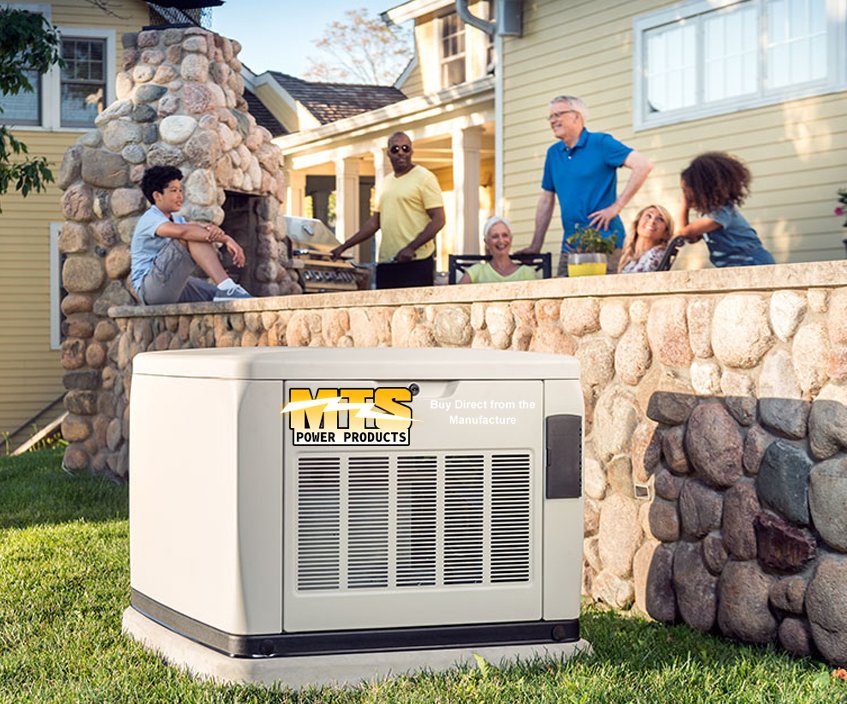
When the lights go out, a home natural gas generator can be a true lifeline, seamlessly kicking in to power your essential appliances and bring peace of mind. But connecting that generator to your home’s natural gas supply and ensuring everything is up to snuff isn't a DIY job. Mastering the intricacies of Installation and Permitting for Home Natural Gas Generators is crucial for safety, compliance, and reliable operation. This isn't just about plugging in a new device; it's about integrating a powerful system safely and legally into your home's infrastructure.
Done right, a natural gas generator provides an endless fuel source during grid outages, eliminating the need for constant refueling. Done wrong, it can lead to serious hazards and costly headaches. This guide will walk you through everything you need to know, ensuring you approach this essential home upgrade with confidence and clarity.
At a Glance: Your Natural Gas Generator Checklist
- Professional Required: Always use licensed gas contractors and electricians for safety and code compliance.
- Gas Line Sizing is Key: An undersized line means poor generator performance. Confirm BTU demand and run length.
- Verify Utility Supply: Your existing gas meter might need an upgrade to handle the generator's load.
- Permits Are Non-Negotiable: Most permanent generator installations require multiple permits (building, electrical, mechanical, fire).
- Budget for Everything: Expect $600-$1,200 for gas line installation and an additional $50-$300+ for permits.
- Location Matters: Setbacks, noise ordinances, and ventilation are critical considerations for generator placement.
- Inspections are Mandatory: Your local authority will inspect the work to ensure it meets all codes before final approval.
Why Choose Natural Gas for Your Backup Power?
For many homeowners, a natural gas generator is the ultimate solution for uninterrupted power. Unlike portable gasoline units that require frequent refueling, or propane systems that depend on tanks that can run empty, natural gas offers a continuous, on-demand fuel source directly from your utility line. This means your generator can run for days, even weeks, during extended outages without you lifting a finger—a major advantage, especially during severe weather events when fuel might be scarce or difficult to transport.
The convenience and reliability of a natural gas setup are hard to beat, offering a set-it-and-forget-it peace of mind that other fuel types simply can't match. When you're considering residential natural gas generators, understanding the fuel line requirements is paramount.
Understanding Your Generator's Fuel Lifeline: The Natural Gas Line
The heart of any natural gas generator system is, naturally, its gas line. This dedicated pipeline ensures a steady flow of fuel, allowing your generator to operate reliably when you need it most. Because natural gas involves combustible fuel and specific pressure requirements, its installation is a highly specialized task. This is why it should always be handled by licensed gas contractors who understand the nuances of safety, pipe sizing, and local code compliance.
Expect the typical cost for a new natural gas line installation to range between $600 and $1,200, which covers everything from labor and materials to the necessary permits. This investment ensures your generator receives the fuel it needs, safely and efficiently.
Crucial Considerations for a Reliable Gas Line
Before a single trench is dug or pipe is laid, several critical factors must be thoroughly assessed to guarantee your generator's optimal performance and safety.
- Pipe Sizing: The Foundation of Performance
This is perhaps the most critical element for proper generator operation. An undersized gas line or one that's too long will restrict gas flow, leading to insufficient pressure at the generator. This can cause the unit to run inefficiently, cycle on and off, or fail to start altogether.
The correct pipe size depends on your generator's BTU (British Thermal Unit) demand and the distance the gas needs to travel from your meter to the generator. Here are some common examples to illustrate the importance:
- 7kW Generator (approx. 100,000 BTU): A ½ inch pipe might suffice for runs up to 40 feet.
- 12kW Generator (approx. 180,000 BTU): You'll likely need a ¾ inch pipe for distances up to 50 feet.
- 22kW Generator (approx. 360,000 BTU): A 1 inch pipe is typically required for runs up to 70 feet.
- 30kW+ Generators (500,000+ BTU): These larger units often demand a 1¼ inch pipe for runs up to 100 feet.
Remember, these are general guidelines. Longer runs, especially those beyond 50-100 feet, almost always necessitate larger diameter pipes to maintain adequate pressure. Your contractor will perform precise calculations based on your specific generator and home layout.
- Gas Supply Verification: Does Your Meter Measure Up?
Your existing gas meter and the utility's supply line are designed to handle your home's current appliance load—think furnace, water heater, stove. Adding a powerful generator introduces a significant new demand. It's essential to contact your gas utility provider to confirm if your current meter and main supply line can comfortably handle this additional load.
This step is vital, especially considering potential drops in supply pressure during peak demand times, such as cold winter mornings when everyone's furnace is running. If your existing supply is insufficient, you might need a meter upgrade, which can involve additional costs and coordination with the utility. In rare cases where utility supply is consistently inconsistent, propane might be a more viable backup fuel option. - Generator Type & Fuel Needs: Portable vs. Standby
While this guide focuses heavily on permanent standby generators, it's worth noting the distinction. Portable natural gas generators offer flexibility; they can be moved and connected as needed. However, they are typically less powerful and are not designed to provide whole-house backup. Quick-connect fittings can be used for portable units, but even these connections must meet local gas codes to ensure safety. For whole-home backup, a permanently installed standby generator is the superior choice. - Common Pitfalls to Avoid: Don't Let Performance Suffer
Many issues with generator performance can be traced back to improper gas line installation. Avoid these common mistakes:
- Using small outlets: Connecting a generator to an undersized existing gas outlet.
- Connecting too many appliances: Tying the generator into a line that already serves multiple other high-demand appliances without proper sizing adjustments.
- Undersized piping: The most frequent culprit, leading to low gas pressure at the generator.
- Restricted gas meters: As mentioned, your meter needs to be able to deliver the required volume.
If your generator struggles to start or operate efficiently, low gas pressure is a likely cause, often stemming from small piping or an inadequate gas meter. Professional adjustment and potentially pipe replacement will be necessary to rectify these issues.
The Installation Journey: From Meter to Generator
Installing a natural gas line for a generator is a methodical process that demands precision and adherence to strict safety standards. Here’s how a licensed professional will typically approach the project:
- Step 1: Planning & Permits First
Before any digging begins, your contractor will take care of the necessary groundwork. This includes obtaining all local permits (more on this later) and coordinating with your gas utility. This crucial initial contact with the utility confirms your meter and supply capacity, ensuring there are no surprises down the line. - Step 2: Site Preparation & Routing
The installer will meticulously plan the shortest, safest, and most efficient route for the gas line from your existing meter or main line to the generator''s planned location. This involves identifying and avoiding all other underground utilities (water, sewer, electrical, communication lines) to prevent costly and dangerous damage. Depending on the terrain and distance, this step may involve careful trenching or specialized drilling techniques. - Step 3: Right Size, Right Material
Based on your generator's specific BTU demand, the calculated distance, and local code requirements, the installer will determine the precise pipe size. They will then select appropriate materials, typically steel (black iron pipe) for above-ground runs or polyethylene for underground applications, ensuring durability and compliance. - Step 4: Making the Connection Safely
The new branch line is then expertly connected to your home's existing gas meter or a suitable tie-in point on an existing, properly sized gas line. Crucially, shut-off valves are installed at this connection point, allowing you or a professional to isolate the generator's gas line for maintenance or emergencies. This step is governed by stringent code requirements to prevent leaks and ensure safe operation. - Step 5: Regulators & Safety Layers
A pressure regulator is installed near the generator. This device is essential for maintaining a steady, consistent gas pressure to the generator, regardless of minor fluctuations in the main supply. Depending on local codes and the system's design, additional safety features, such as excess flow valves that automatically shut off gas in case of a significant leak, may also be incorporated. - Step 6: The Generator Hookup
With the main gas line run, the final connection to the generator itself is made. This can involve a rigid pipe connection or, for some units, a flexible quick-connect hose designed for natural gas. Another easily accessible shut-off valve is typically placed very close to the generator. This provides an immediate way to cut off the fuel supply to the unit in an emergency. - Step 7: Pressure Testing & Final Approval
Once all connections are made, the entire new gas line is rigorously pressure-tested. This critical step verifies the integrity of every joint and connection, ensuring there are absolutely no leaks. After successful testing, the local authority performs a final inspection. Only after their approval and sign-off can the system be legally and safely operated. Regular annual inspections and tests are recommended to maintain your system's long-term safety and performance.
Breaking Down Gas Line Installation Costs
Understanding the cost components helps you budget effectively for your natural gas generator installation. The $600 to $1,200 range for gas line installation typically breaks down as follows:
- Labor: Expect to allocate $300 to $600 for the licensed gas contractor's expertise, which includes the planning, trenching (if needed), pipe fitting, and testing.
- Materials: Piping (steel or polyethylene), fittings, shut-off valves, and the pressure regulator typically account for $200 to $400 of the cost. The length of the run and the pipe size will influence this significantly.
- Permits: As discussed, a permit is essential, usually costing between $100 and $200 for the gas line portion of the project.
Most standard gas line installations can be completed within one to two days. However, more complex scenarios involving extensive trenching, difficult terrain, or the need for a gas meter upgrade from your utility provider can extend this timeline, potentially increasing labor and associated costs.
The Permit Imperative: Why You Can't Skip This Step
When installing a generator, particularly a whole-house or standby system, obtaining the proper permits isn't just a suggestion—it's a legal and safety requirement. While small, portable generators used temporarily without hardwiring typically don't require permits, any permanent installation, especially one involving a transfer switch or new fuel lines, absolutely does.
Why Permits Are Non-Negotiable
Ignoring the permitting process can lead to significant problems down the road. Here's why permits are so crucial:
- Safety and Compliance: Generators involve complex electrical wiring, fuel systems, and combustion processes. If not installed correctly, they pose risks of electrical shock, fire, carbon monoxide poisoning, and gas leaks. Permits ensure that your installation adheres to stringent building, electrical, mechanical, and fire codes, protecting your home and family.
- Insurance and Liability: In the unfortunate event of a generator-related incident (fire, electrical issue), your insurance company may deny claims if the installation was unpermitted or not up to code. Proof of permitted installations is often a requirement for coverage.
- Resale Value and Legal Standing: Unpermitted work can complicate or even delay the sale of your property. Home inspectors often flag unpermitted installations, requiring you to obtain permits retroactively or rectify issues before a sale can proceed.
- Utility Interconnection: Standby generators that connect to your home's electrical panel (and thus, the electrical grid via a transfer switch) require specific utility inspections and permits to ensure they don't backfeed power into the grid, which could endanger utility workers.
Navigating Generator Permit Requirements
Permit requirements for generators aren't uniform across the board; they vary significantly by locale (city, county, even specific neighborhoods). However, several categories of codes generally apply to generator installations.
- Local Building Codes: These dictate things like where your generator can be placed. You'll often find specific setback requirements from property lines, windows, and doors. These rules are designed to mitigate noise pollution and ensure exhaust fumes dissipate safely, away from living spaces. Local noise ordinances will also apply, limiting how loudly your generator can operate, especially at night.
- Electrical and Mechanical Codes: Hardwiring a standby generator into your home's electrical system, including the installation of an automatic transfer switch, requires adherence to the National Electrical Code (NEC). Similarly, running new natural gas or propane lines falls under mechanical codes. These tasks typically require the involvement of licensed electricians or HVAC technicians, respectively. Generators must also be properly grounded according to NEC standards to prevent electrical hazards.
- Fire Safety Regulations: These codes focus on preventing fire risks. They dictate minimum clearances between the generator and flammable structures (like walls, fences, or decks) and emphasize proper ventilation to prevent the dangerous buildup of carbon monoxide.
- Size and Generator Type: Almost universally, permanently installed standby generators require a permit. Some jurisdictions might have wattage thresholds, meaning very small, permanently wired generators below a certain output might have simplified requirements, but it's rare.
- Fuel Connections: Any project involving the running of new natural gas or propane lines to a generator almost certainly requires a separate mechanical or plumbing permit, above and beyond any electrical permits.
When a Permit Becomes Your Priority
To be clear, here are the scenarios where you absolutely need to involve your local permitting office:
- Any permanently installed generator that is hardwired into your building's electrical system.
- Any project involving running new natural gas or propane lines to fuel a generator.
- Commercial projects that require emergency power, which always have stricter regulations.
- Even if you're replacing an existing, previously permitted generator, it’s always best practice to verify local requirements, as codes can change.
Your Permit Application Checklist
The permit application process can seem daunting, but breaking it down into steps makes it manageable. Your licensed contractor will often handle much of this on your behalf, but it's wise to understand the stages.
- Determine Requirements: Your first step (or your contractor's) is to contact your city or county building department. They'll outline precisely which permits you need (e.g., building, electrical, mechanical) and the specific documentation required for your generator type and location.
- Submit Application Materials: You (or your contractor) will typically need to provide a detailed site plan illustrating the proposed generator placement relative to your home and property lines. An electrical diagram showing the transfer switch and wiring, along with the generator's specifications (make, model, wattage, fuel type, noise level), will also be required.
- Review and Approvals: The submitted application is then reviewed by various departments (zoning, electrical, mechanical, fire) to ensure it complies with all relevant codes and ordinances. This process can take days to weeks, depending on the complexity and local office workload.
- Inspections: Once the permits are issued, you'll need to schedule required inspections at various stages of the installation. This might include a rough-in inspection before walls are closed, a gas line pressure test, and a final inspection once the entire system is installed and operational. These inspections ensure the work meets the approved plans and all safety codes.
- Final Sign-off: After all inspections are successfully passed, the local authority will issue a final sign-off or certificate of occupancy. At this point, your generator can be legally and safely operated.
Don't forget: While city or county permits are primary, always check with any governing bodies like Homeowners Associations (HOAs). They often have additional regulations regarding generator placement, appearance, noise, and operating hours that could affect your installation.
What to Budget for Generator Permits
Permit costs are another variable that fluctuates by location and project scope. However, here's a general idea of what to expect:
- Residential Generator Permits: For most home standby generator installations, you can typically budget anywhere from $50 to $300. Rural areas often have lower fees compared to dense urban centers.
- Commercial Generator Permits: These are almost always significantly higher, sometimes calculated as a percentage of the total project value due to the larger scale and increased regulatory oversight.
- Multiple Permit Requirements: Your generator project will likely require more than one type of permit, each with its own fee:
- Electrical Permits: Commonly range from $50 to $200.
- Plumbing/Mechanical Permits: (for fuel lines) typically $50 to $150.
- Zoning Permits: If your placement requires a specific zoning review, these are usually under $100.
Additional Costs to Consider: Larger generator units often incur higher permit fees. Complex installations might require more specialized reviews, leading to additional charges. Some jurisdictions may have separate inspection fees charged per visit, and your HOA might also have administrative fees for reviewing and approving your plans. Always get a clear breakdown of all permit-related costs from your contractor or your local building department.
Beyond Installation: Keeping Your System Safe and Compliant
The journey doesn't end once your natural gas generator is installed and permitted. To ensure its longevity, reliable operation, and continued safety, ongoing vigilance is key.
Make annual inspections and tests a cornerstone of your home maintenance routine. A qualified technician can check gas pressure, electrical connections, fluid levels (if applicable to the generator type), and general wear and tear. This proactive approach helps identify minor issues before they escalate into costly repairs or, worse, safety hazards.
Stay informed about any changes to local building codes or utility regulations that might impact your generator system. While rare, updates can occur, and understanding them helps maintain compliance. Most importantly, continue to rely on licensed professionals for any maintenance, repairs, or modifications to your natural gas generator and its fuel line. Their expertise isn't just for initial installation; it's a lifelong partnership in ensuring your home remains powered safely and efficiently during any outage. Investing in proper installation and ongoing care means your natural gas generator will be a dependable guardian of your comfort and security for years to come.